
THROUGH THE LOOKING GLASS AND THE NEWLY-FOUND ROMAN “FOUNTAIN HOUSE” AT HERACLEA SINTICA
THROUGH THE LOOKING GLASS AND THE NEWLY-FOUND ROMAN “FOUNTAIN HOUSE” AT HERACLEA SINTICA
by Emil Nankov
Archaeology is not only about disturbing the dust of long since forgotten worlds, but it is also, perhaps even more importantly, an intellectual endeavor and a quest for knowledge. The glorious sounds from the flashy discoveries of the archaeological summer in Bulgaria still ring in our ears. As usual, this is a hope or delusion for a better future amidst our jaded lives. But what have we done this time: was our culture older than we used to think? Or, did we find evidence that we built a giant pyramid in an attempt to send a messenger to speak directly to the gods? No, this time it is much simpler and more trivial, yet unexpected and formidable – a Roman fountain house. To a layman this means nothing; archaeologists can become curious; authorities might seize an opportunity for tourism. Worlds are colliding – well, not really.
But let’s go back to archaeology. Heraclea Sintica has been gradually emerging from the ground thanks to the efforts of Bulgarian archaeologists from the National Institute of Archaeology with Museum and the Museum of History in Petrich since 2007. To a great degree the site received international popularity through the training of American students on the site organized by the American Research Center in Sofia during 2012-2014. During those years thirty five students received field training in archaeology due to a unique collaborative blend of specialists. There were times when Disney movie stars like the American Cole Sprouse, then undergraduate student in archaeology at New York University, and legendary clairvoyant from Petrich Vanga vied for supremacy in local and national media outlets. On the scholarly side, a recent publication of the conference proceedings from a conference that took place in Petrich in September 2013 made excavation results and knowledge about the site more accessible in Bulgaria and abroad.
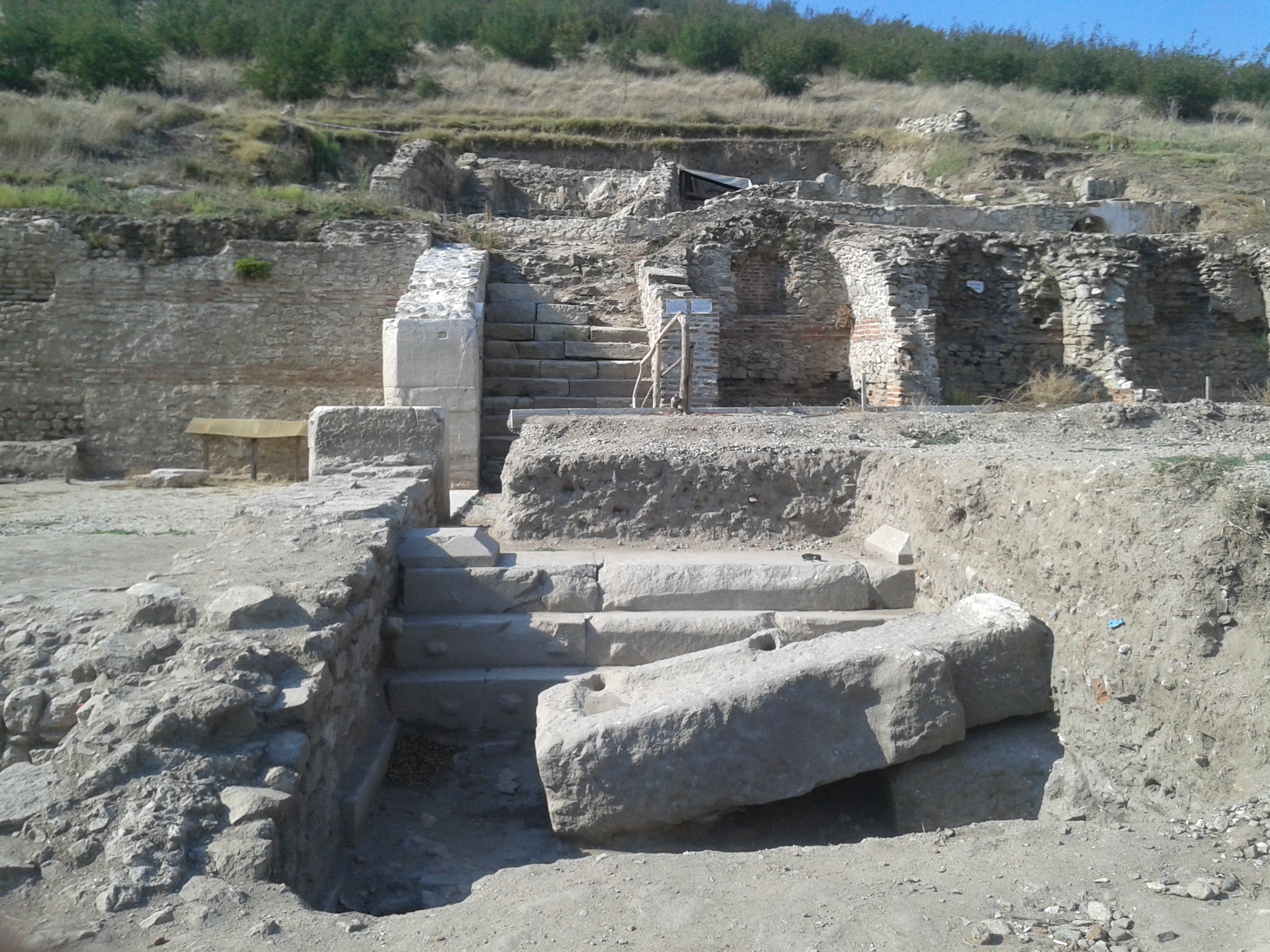
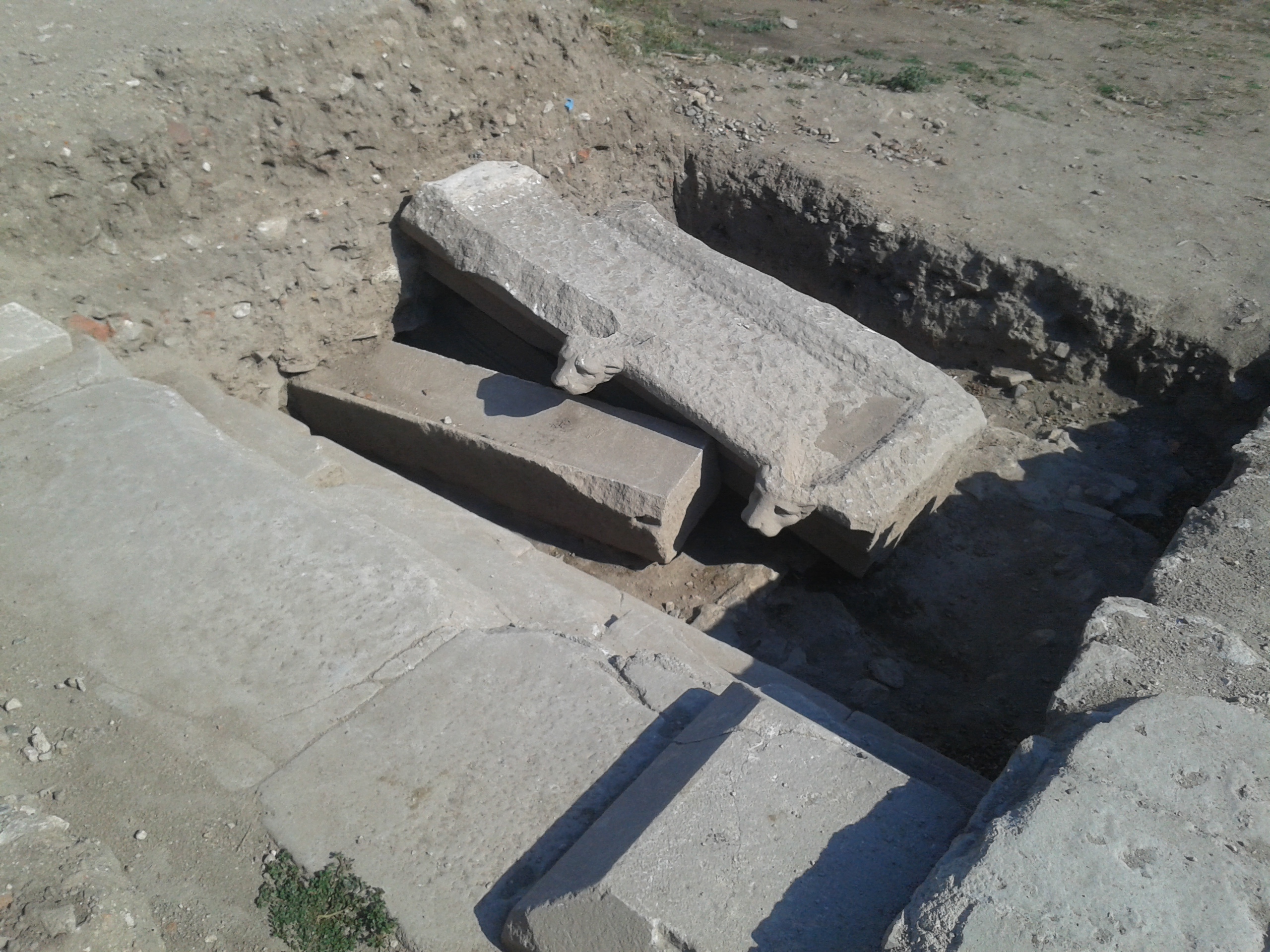
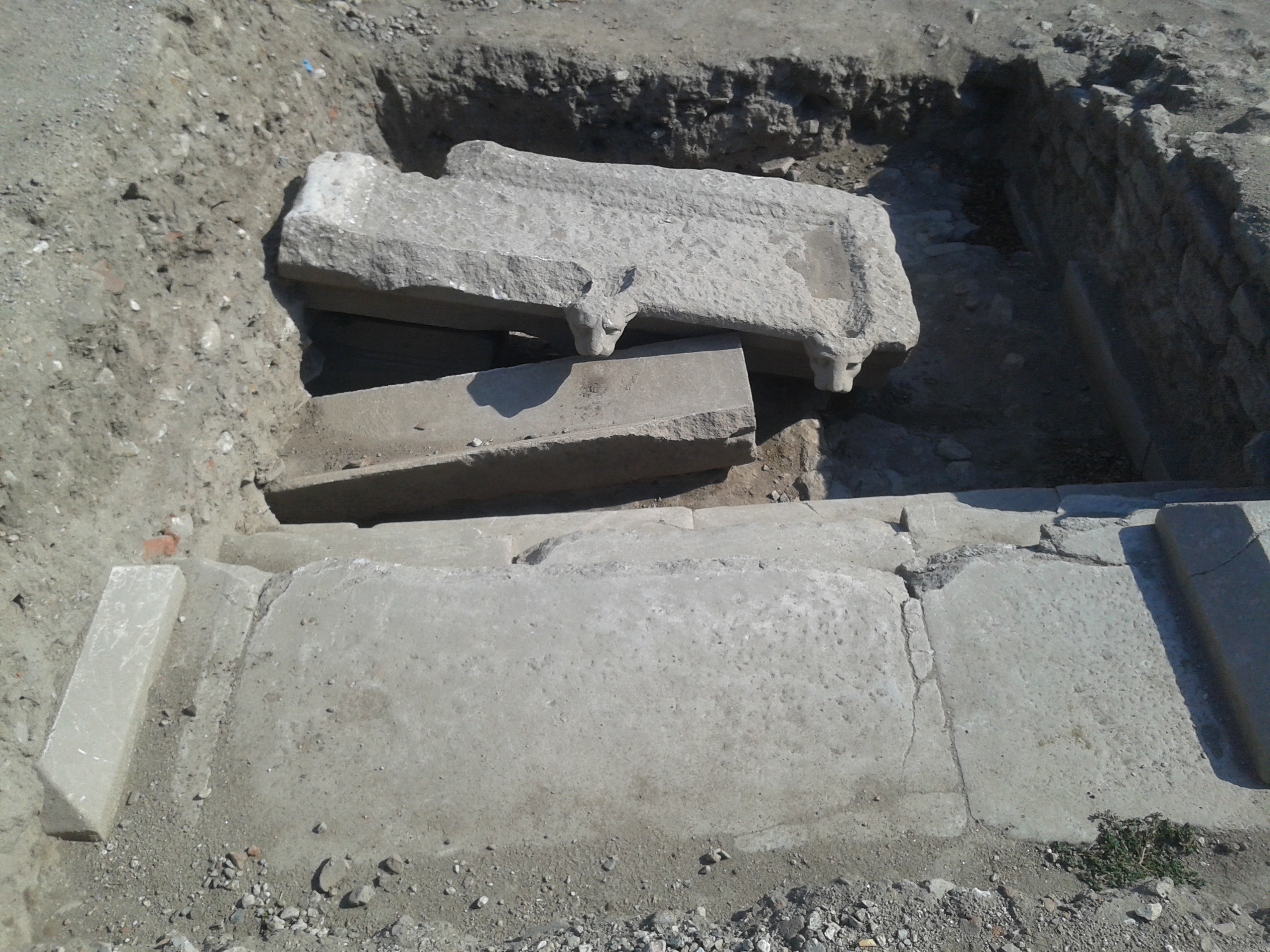
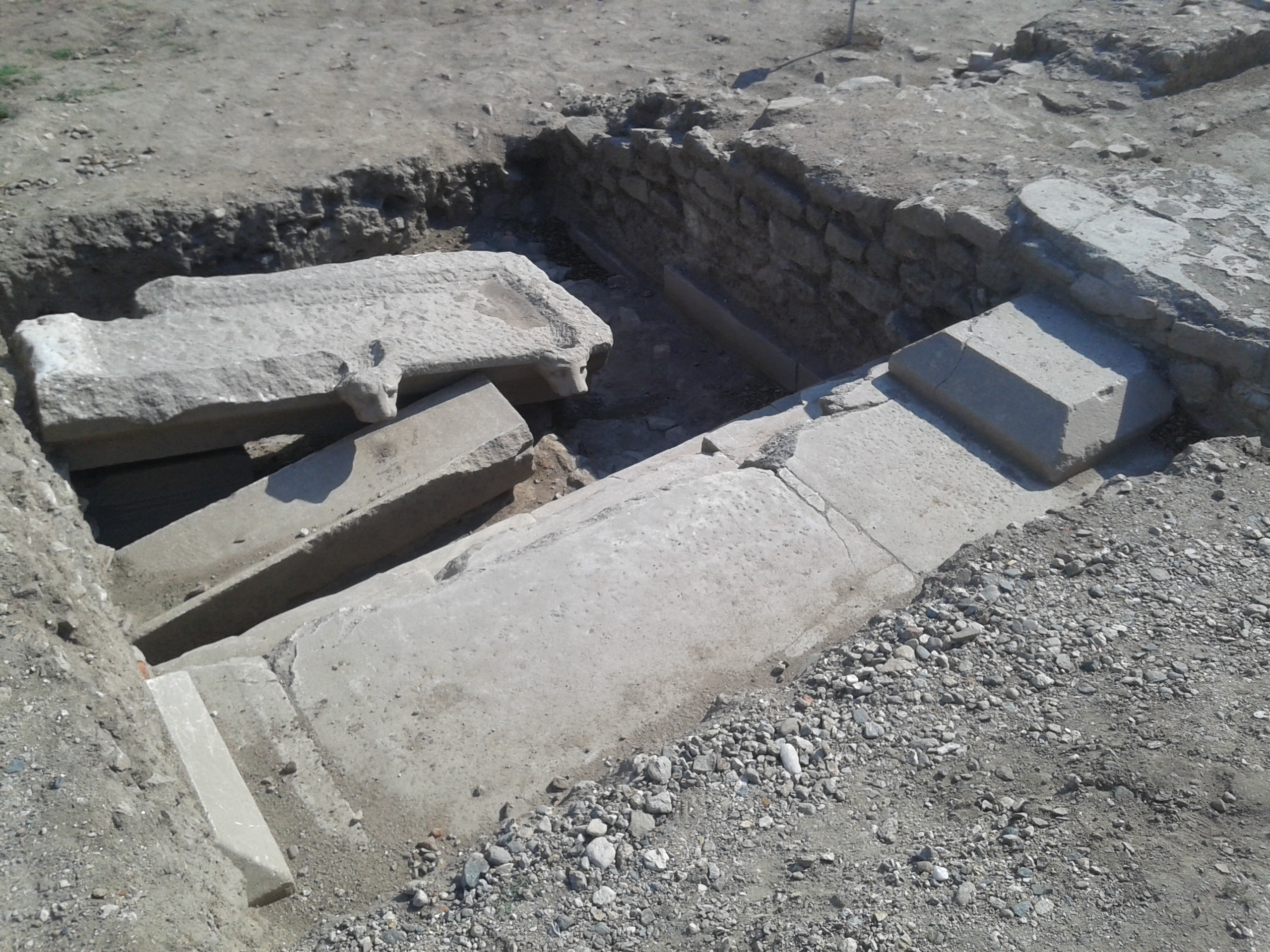
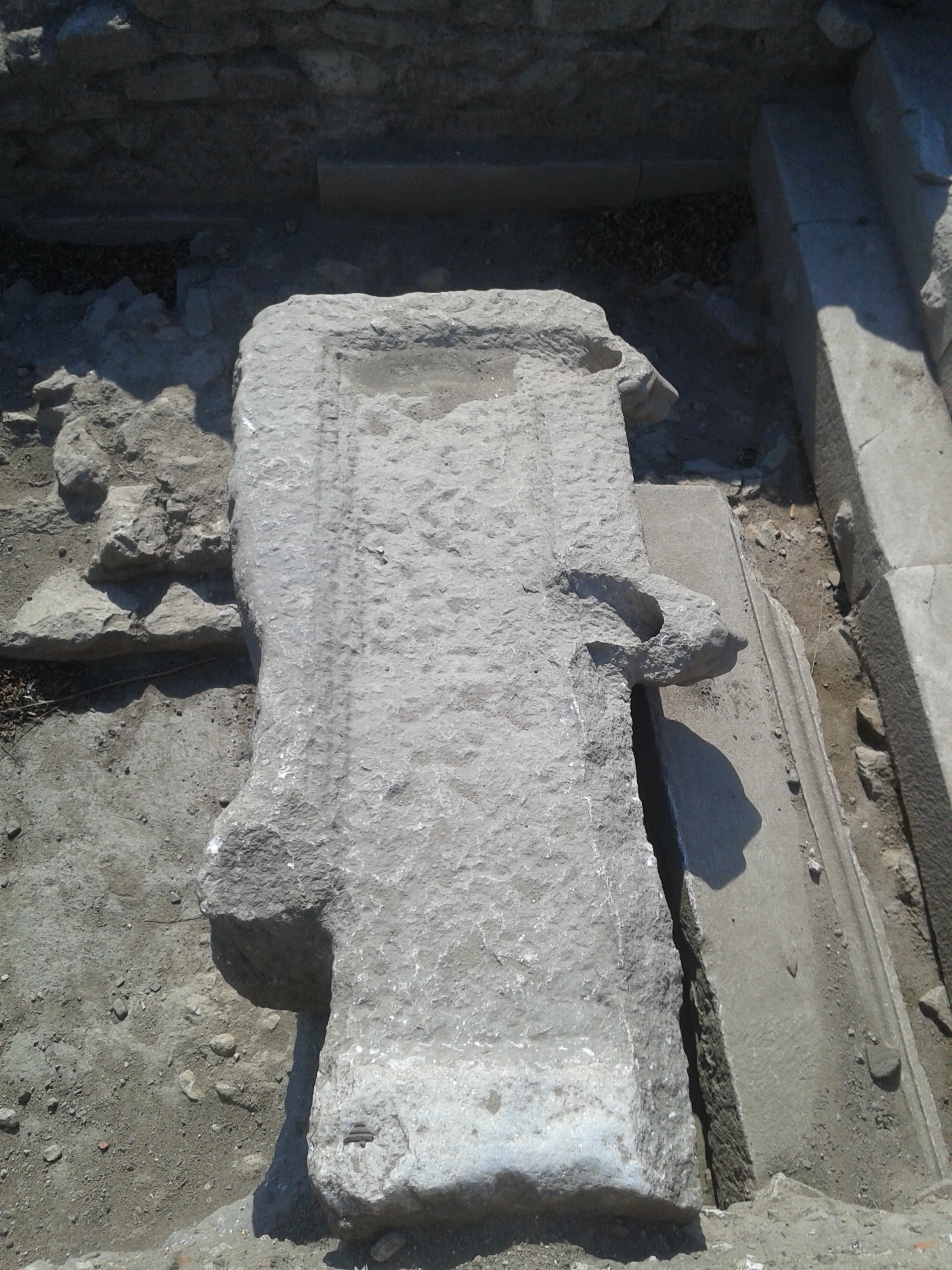
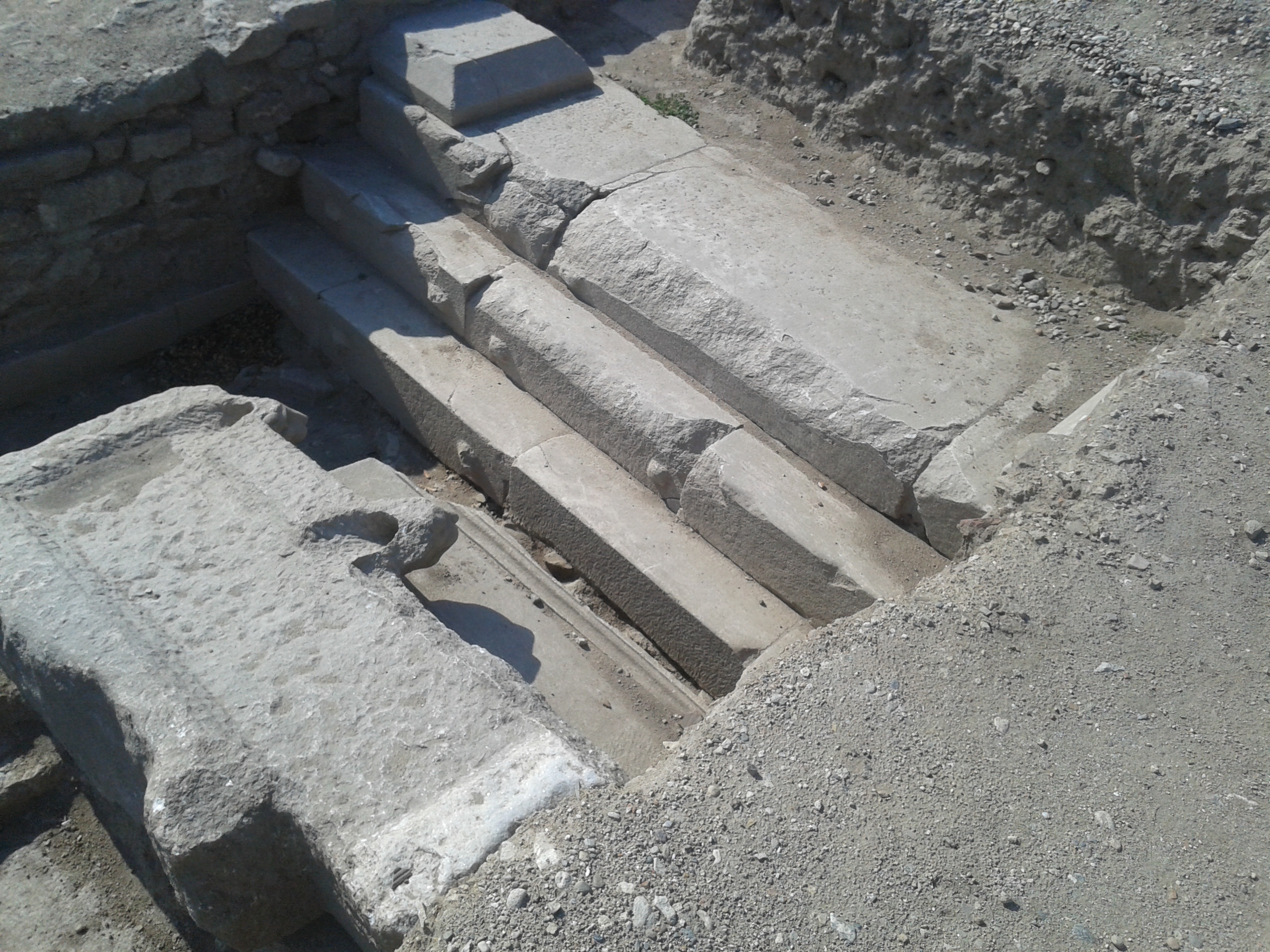
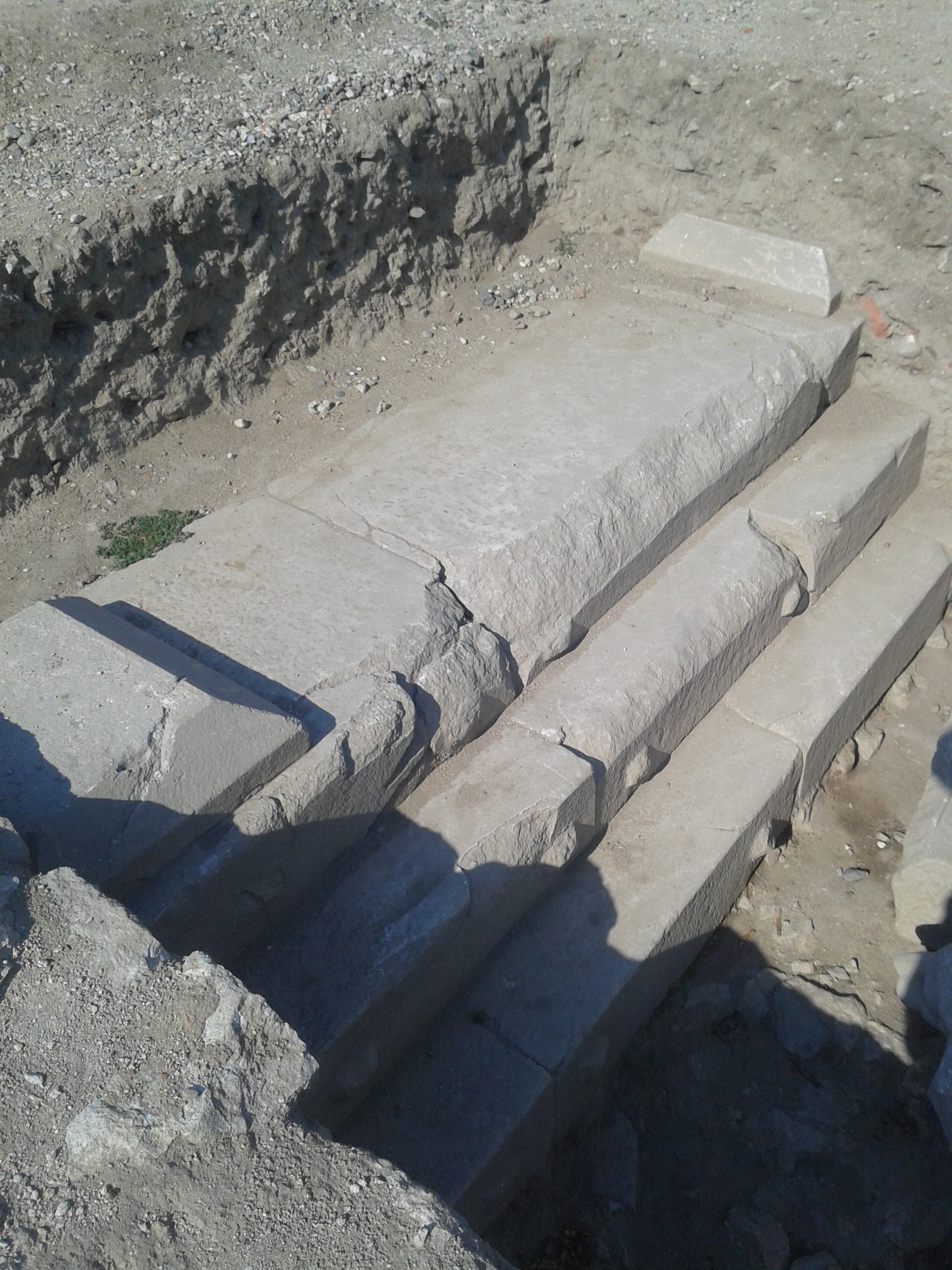
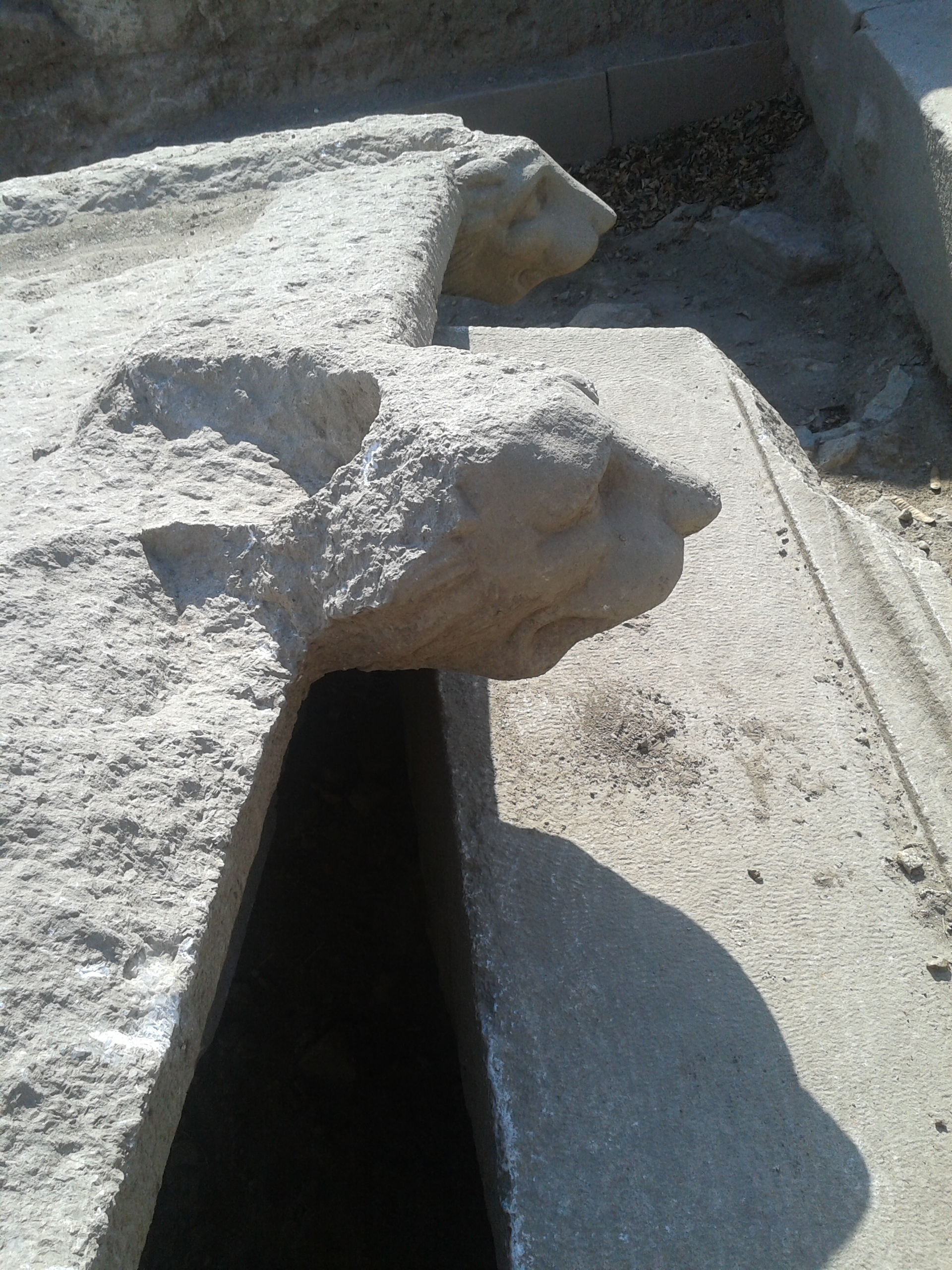
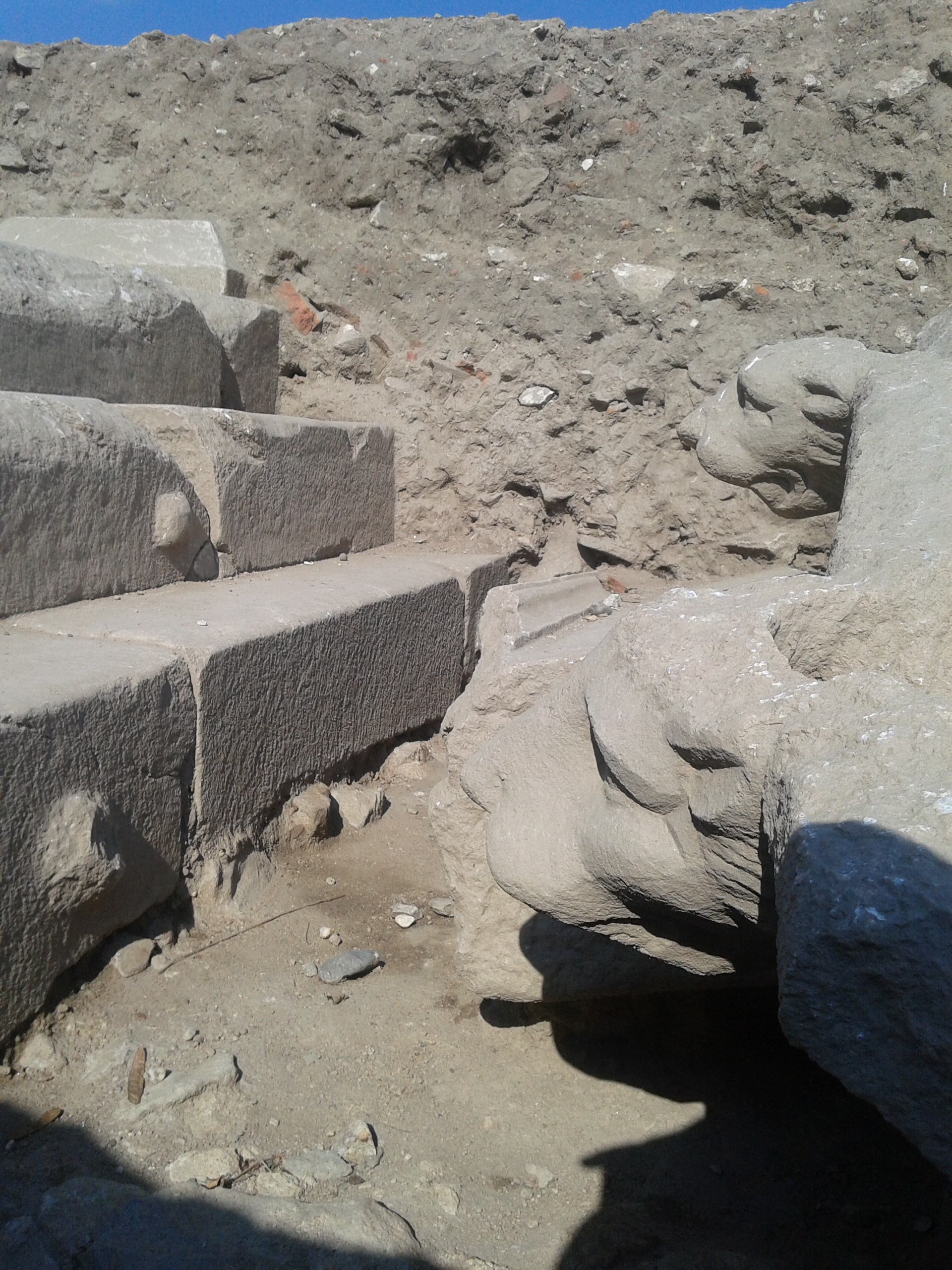
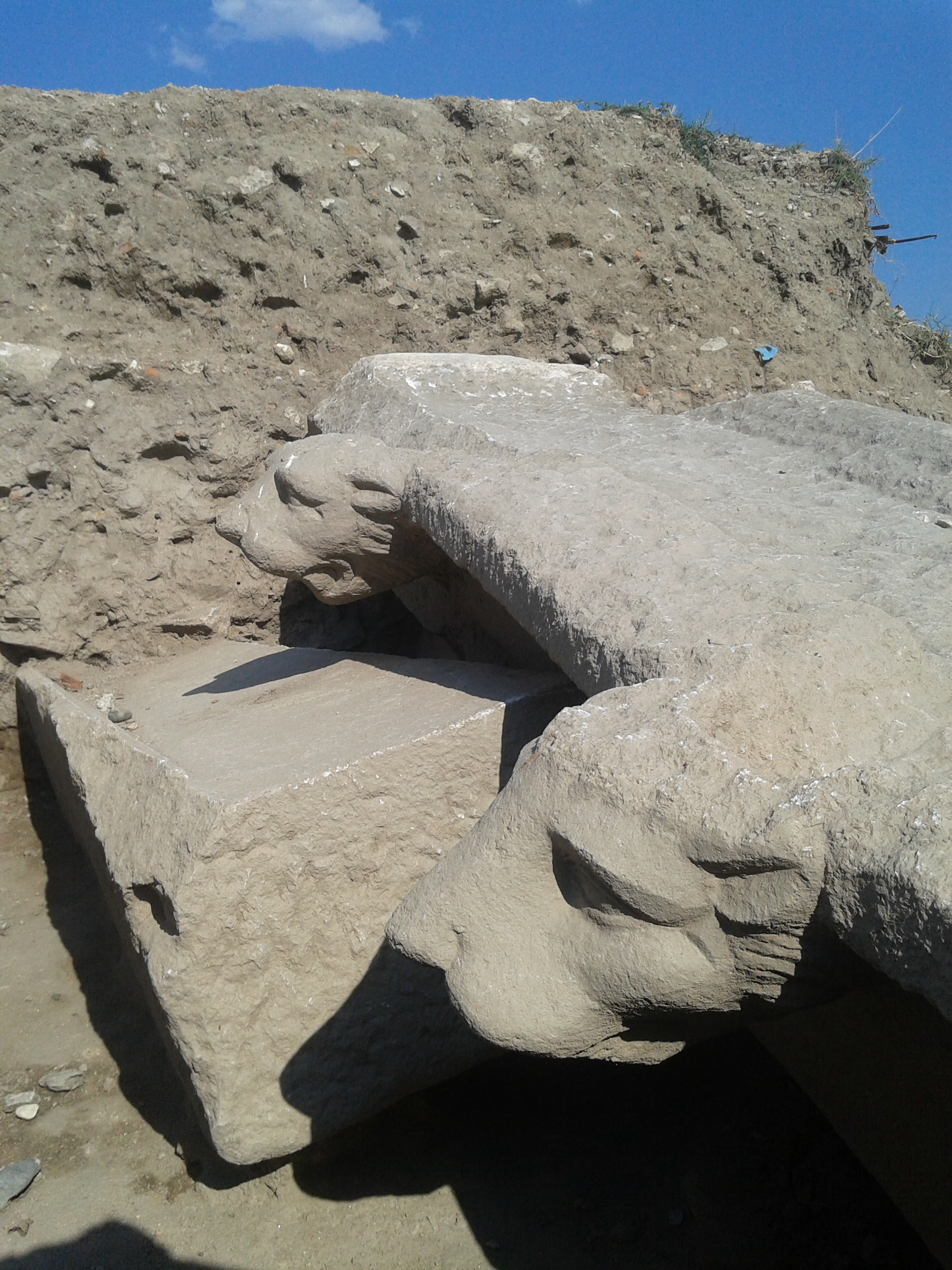
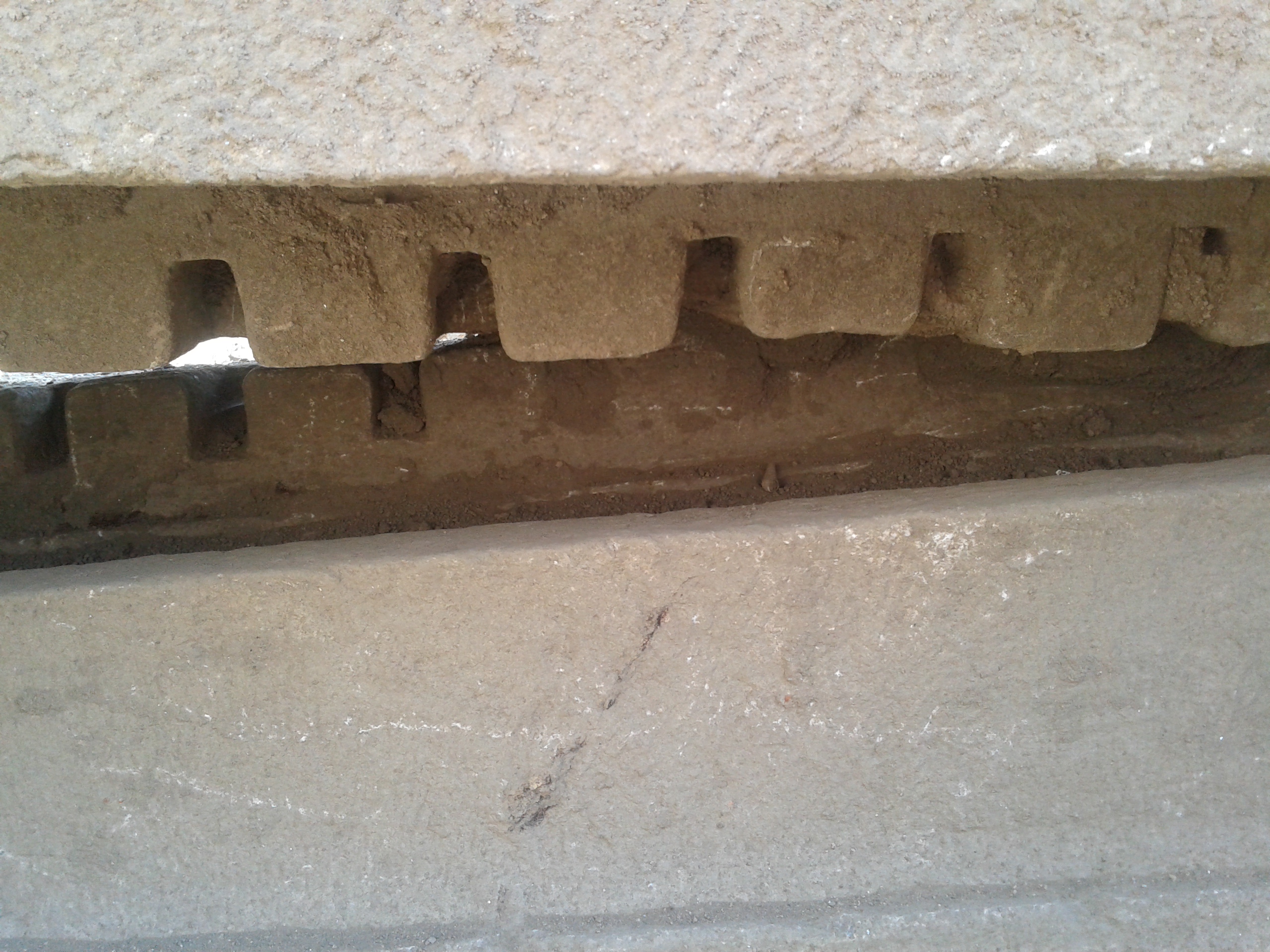
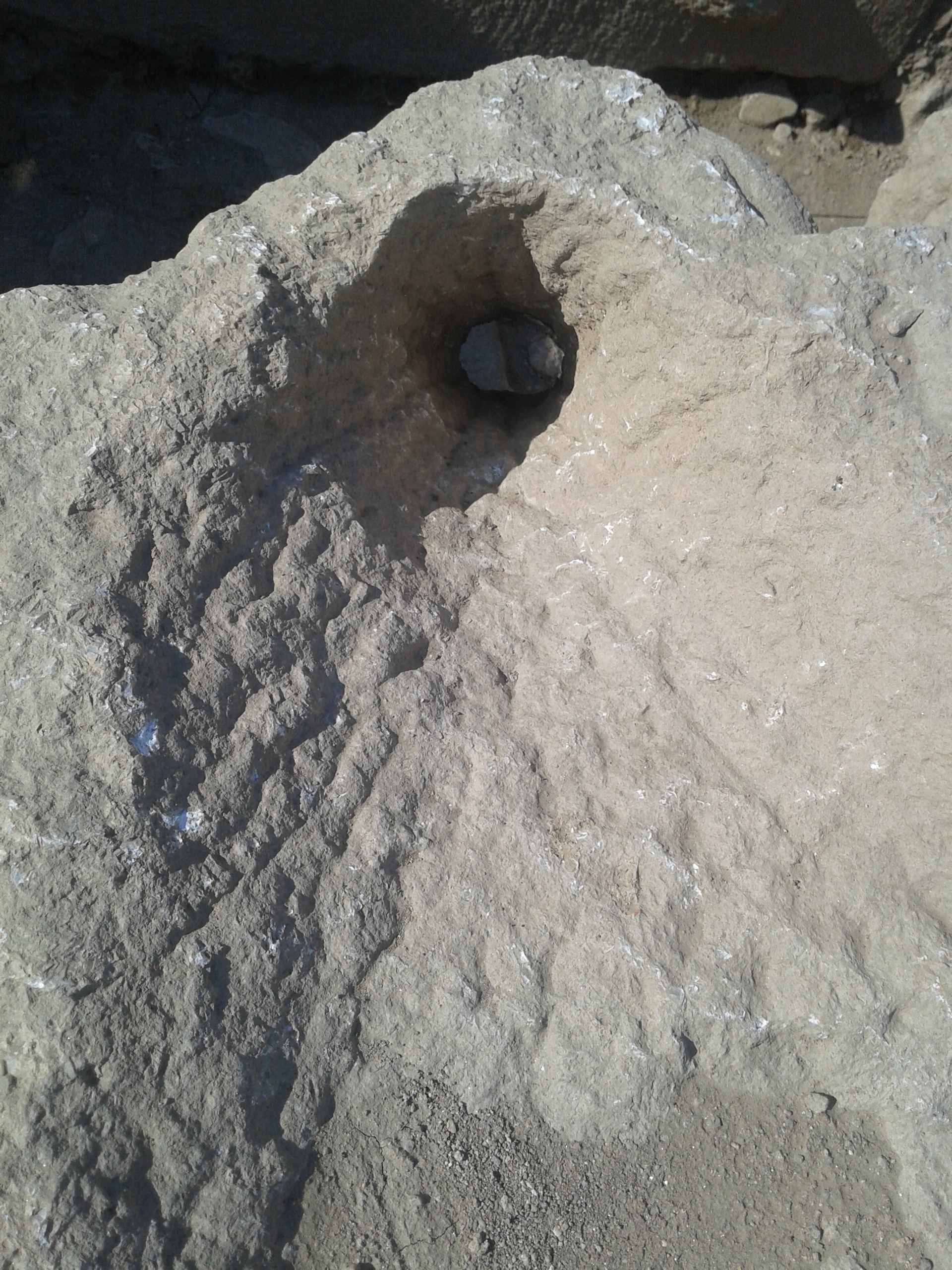
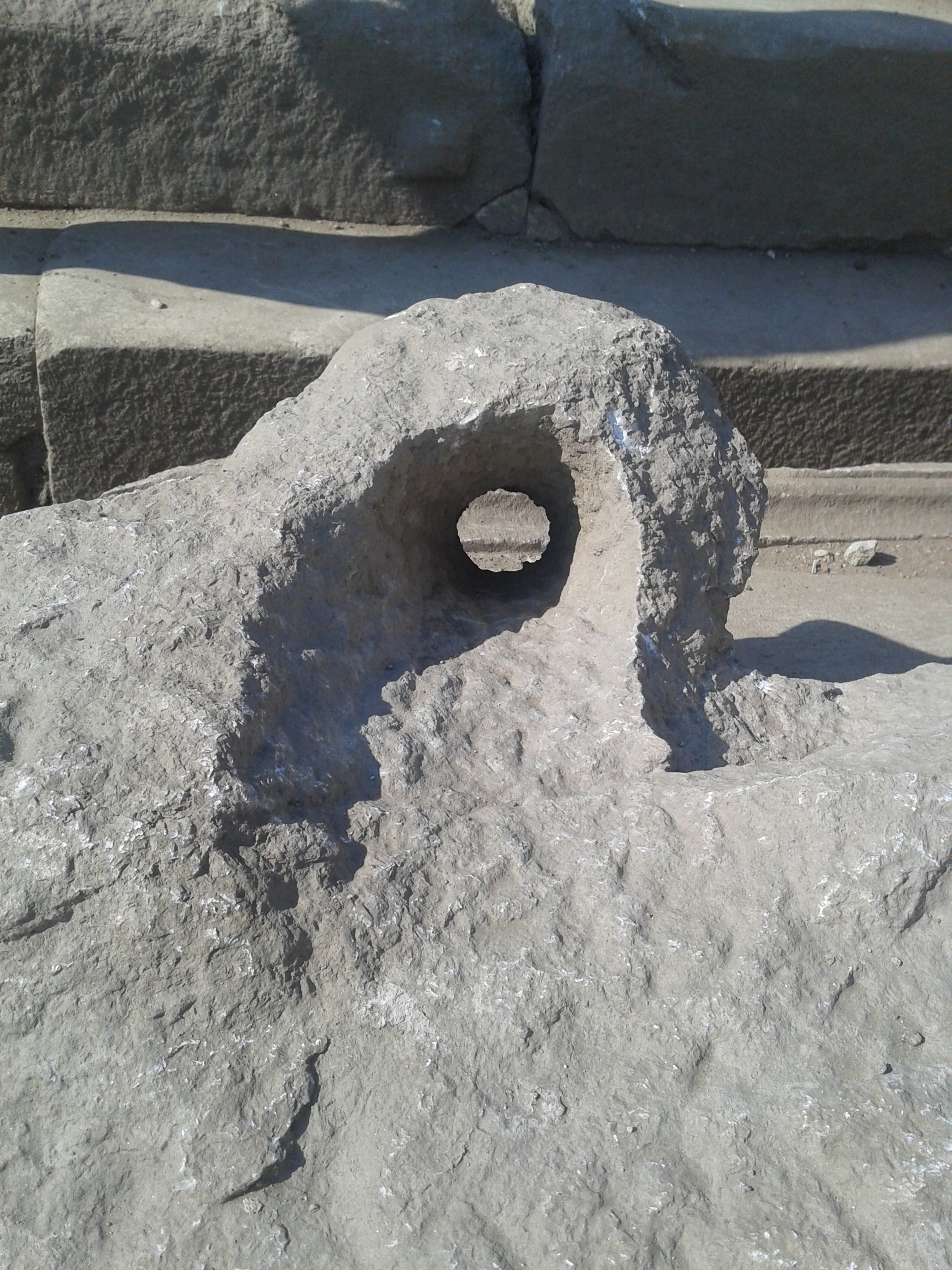
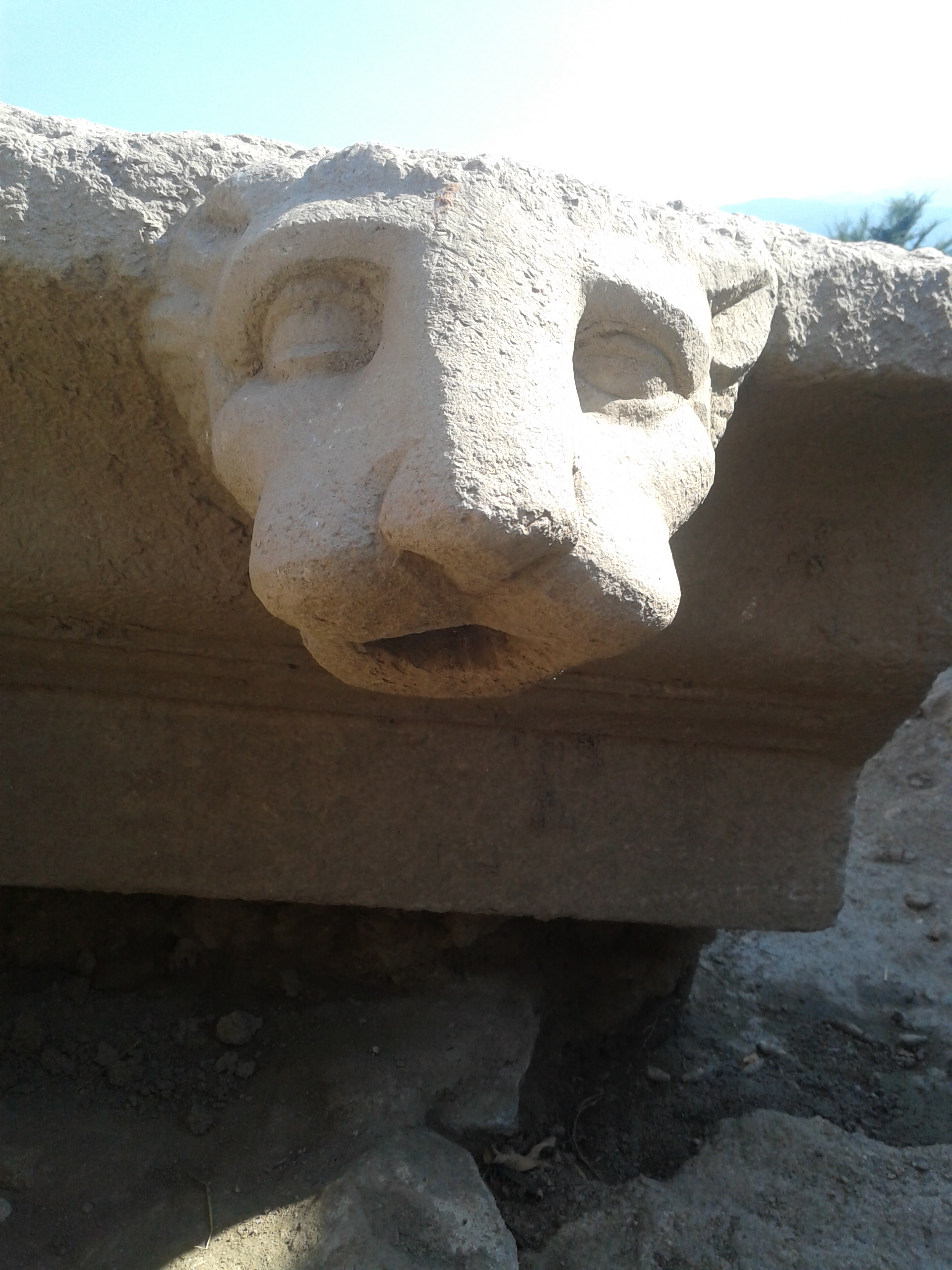
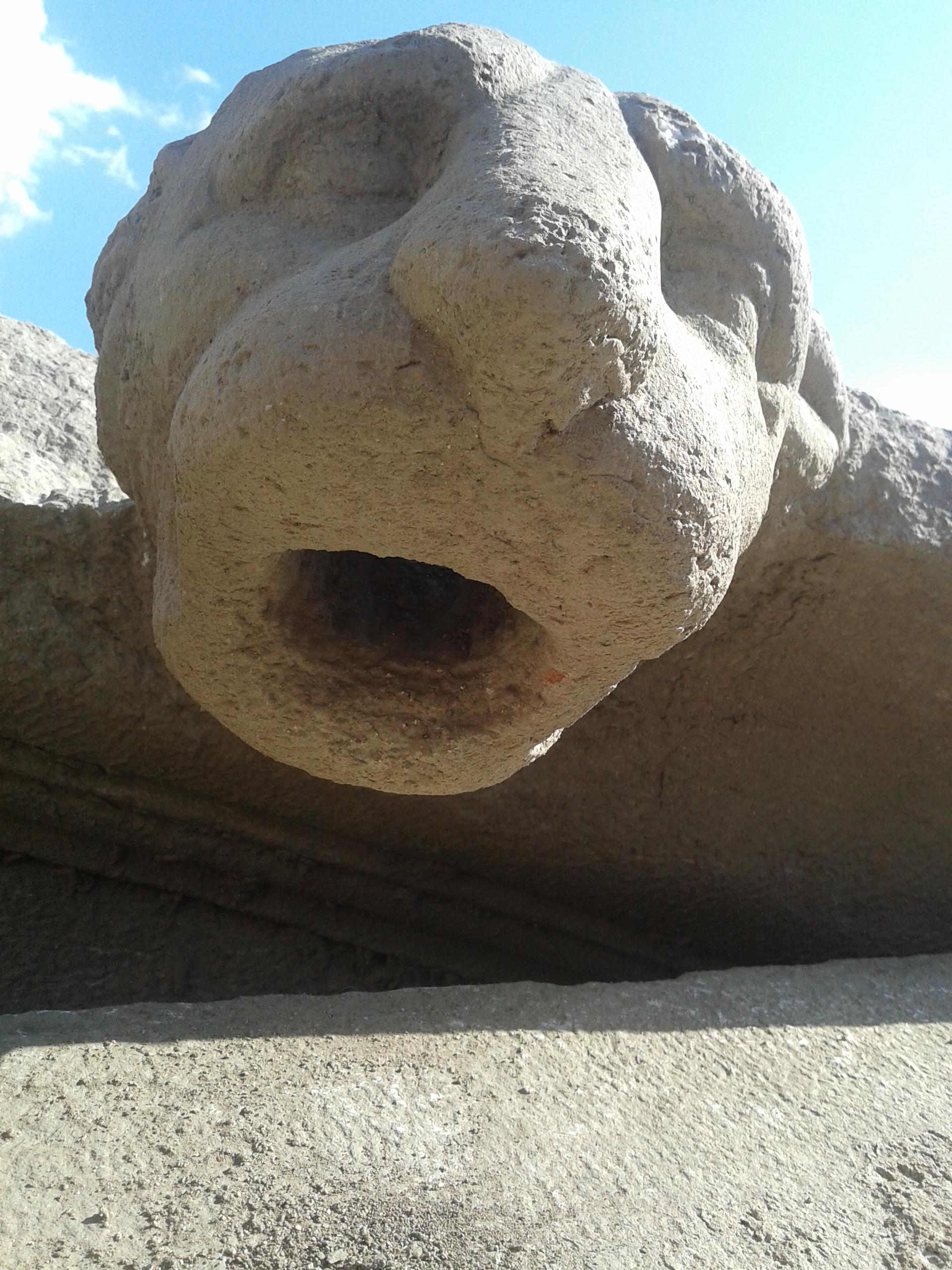
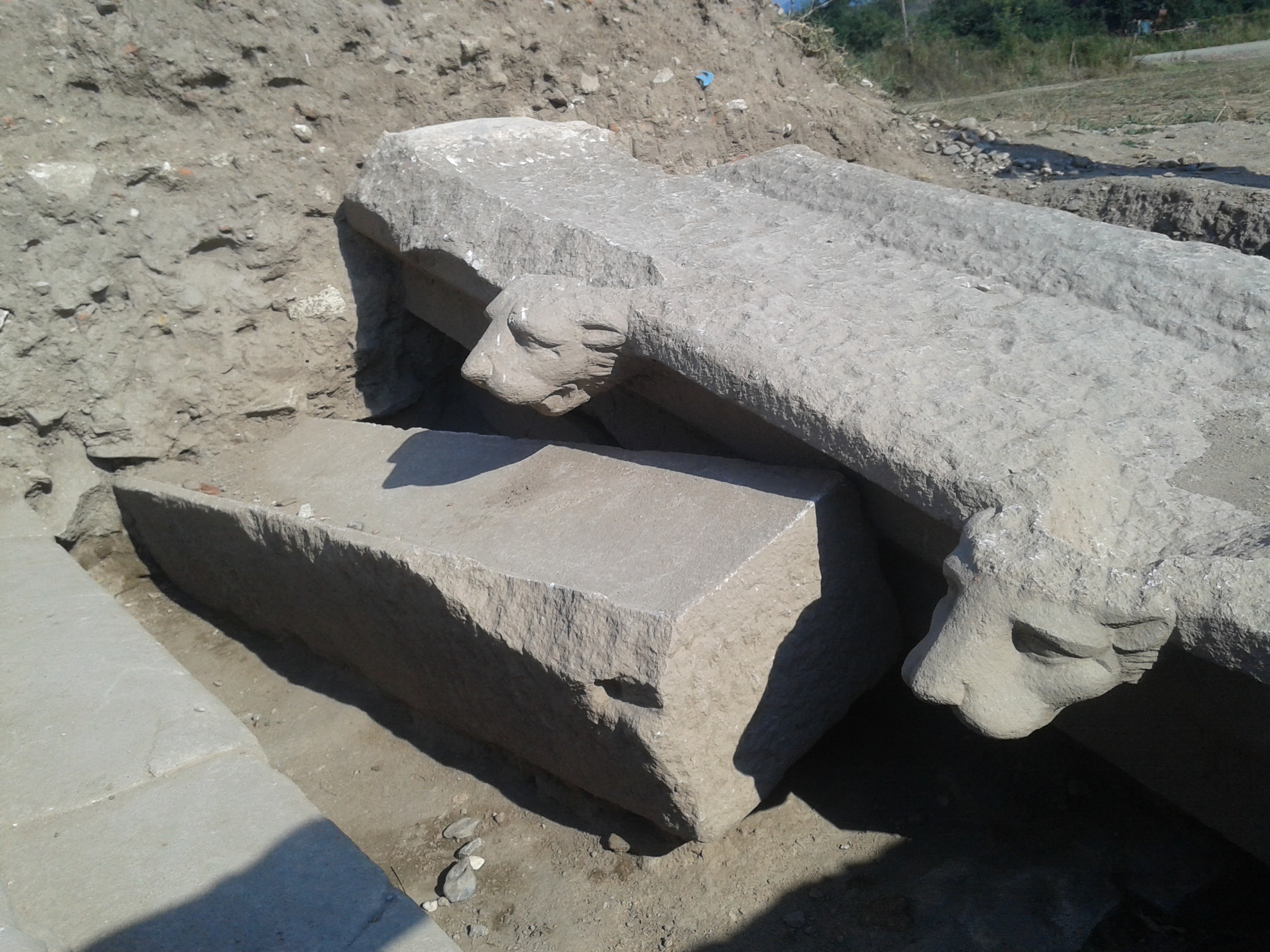
But nothing has so far stirred a greater interest than the latest discovery of a Roman fountain house (see links below). And deservedly so. The photographic evidence quickly put in front of the eyes of the public reveals a splendid architectural piece carved by the hands of an unknown master who was commissioned to do the job for the prosperous Roman town (see author’s photos in the gallery below). After all Heraclea Sintica took off as a Macedonian colony surrounded by a sea of Thracians during the reign of Philip II of Macedon. So prima facie who would venture to scrutinize the reasoning behind the initial identification as a city fountain house? Water is life, right!, especially in such a land-locked corner as Southwestern Bulgaria, nestled in the so-called Middle Strymon River Valley, and suffocated under unbearable heat most of the year. It made perfect sense for the city council or a local big man to bestow such munificence to their fellow citizens during the heyday of the town. However, we should be on alert, since initial estimates can be provisional, and secondly, we often pander to donor’s expectations. Media PR is a double-edged sword, and before you know it, it might be another Cyclops in the grave for you!
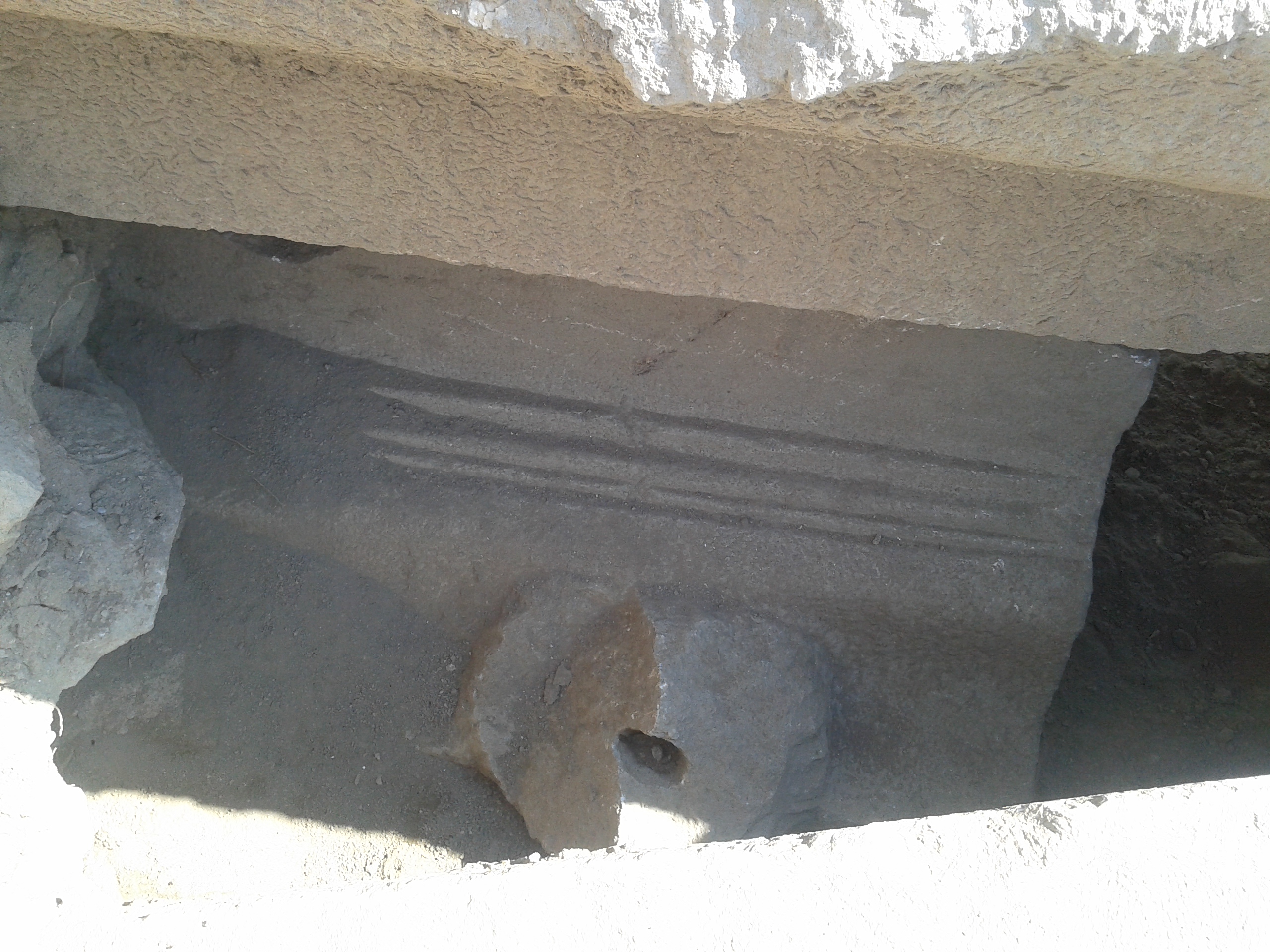
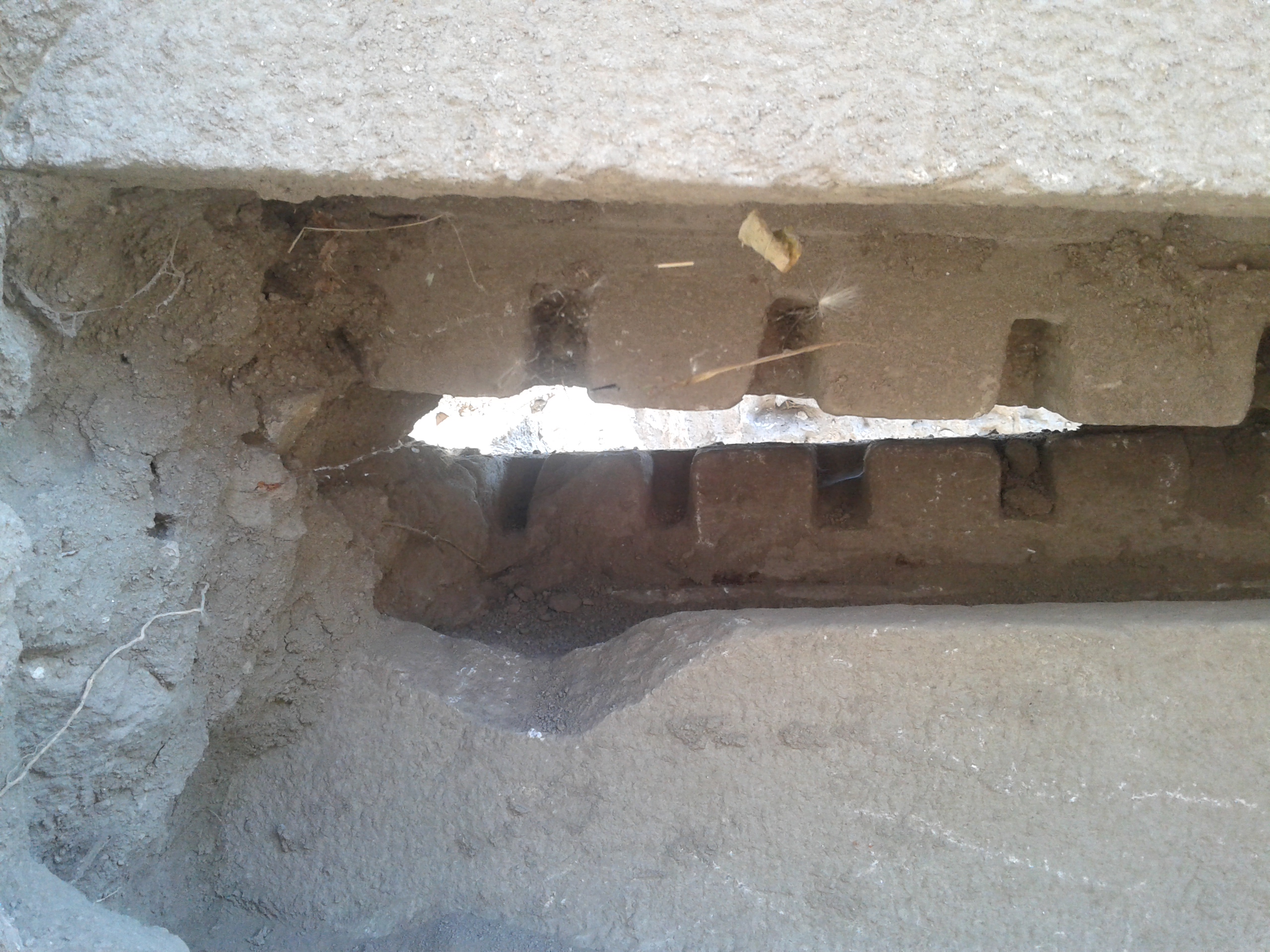
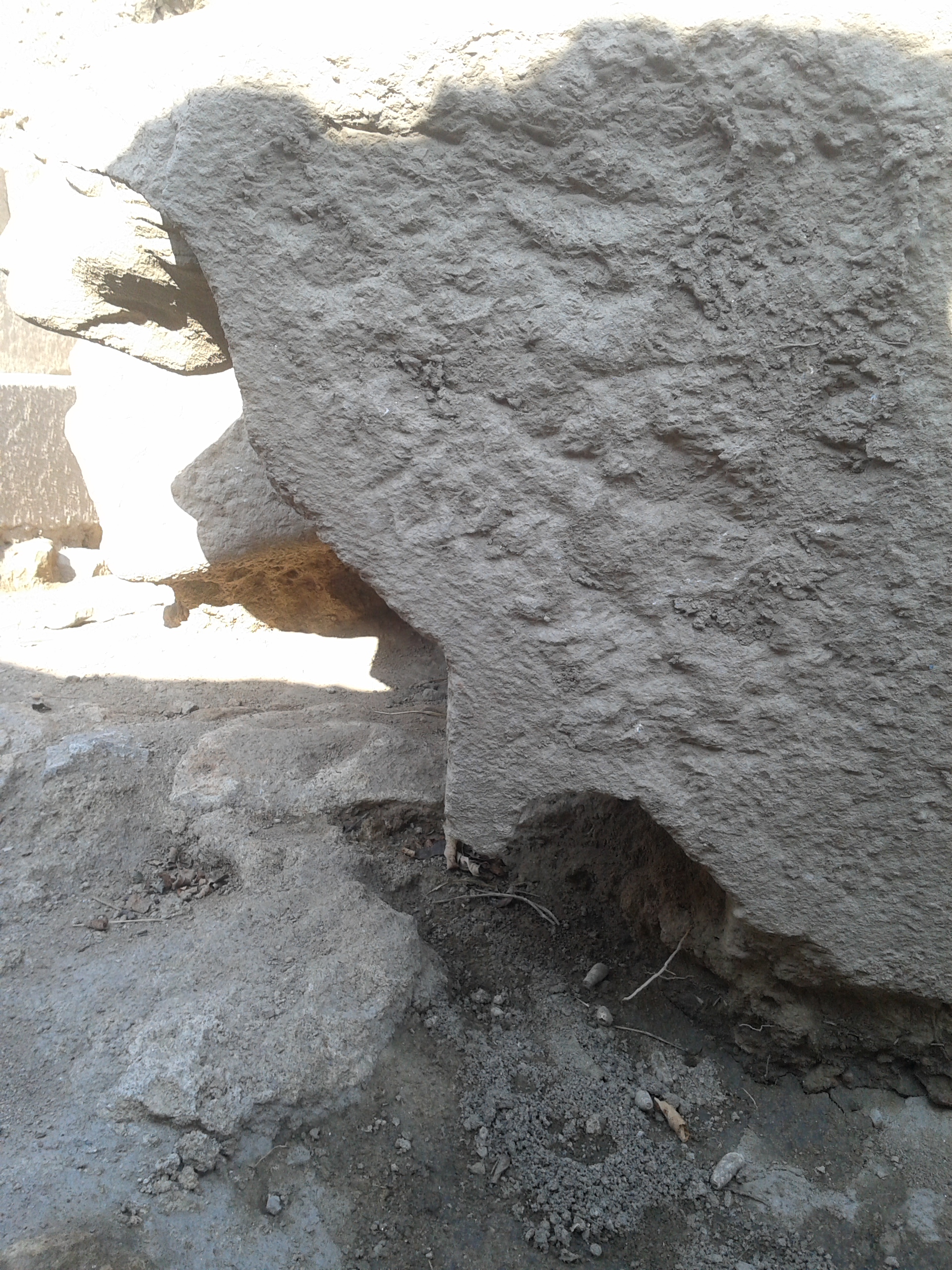
The trouble is that the alleged fountain house is a straw man. It does not exist. What we seem to have is nothing more than a collapsed part of the roofing (a cornice block or a geison) from the entablature of the northern portico flanking the public square or the agora. Every specialist in Greek or Roman architecture would spot the diagnostic features strewn all over: the presence of an architrave block with cuttings for metal clamps lying near-by; the carefully executed molding of the Ionic or Corinthian frieze, together with the neatly carved dentils underneath, the anathyrosis on the sides, etc. In fact, future investigations will expose even more “fountain houses” as they continue to excavate eastwards following the three stepped, colonnaded portico, which among other things, also interacts with the series of shops to the north discovered during previous campaigns. Such public covered shelters or stoas abound in ancient Greece.
In any case, the quest continues, the spade will dig up another puzzle piece, and eventually archaeologists will come to terms by crossing pens. But in the meantime, let’s have tourists come to visit the site but for the right reasons. And yes, the beautifully sculpted lion heads were functional but served to drain off the rainwater from the roof. And, to be sure, it is a good bet that no Heracleotai ever quenched their thirst by drinking water from these spouts!
Interested readers are encouraged to learn more about the discovery by clicking on the links below: