The American Research Center in Sofia Featured in the Annual Meeting of the Association for Slavic, East European, and Eurasian Studies
Recently, the Association for Slavic, East European, and Eurasian Studies (ASEEES) held its annual meeting in San Antonio, Texas (November 20-23, 2014). The conference, entitled 25 Years after the Fall of the Berlin Wall: Historical Legacies and New Beginnings, was dedicated to the 25th anniversary of the end of the communist regimes in Eastern Europe.
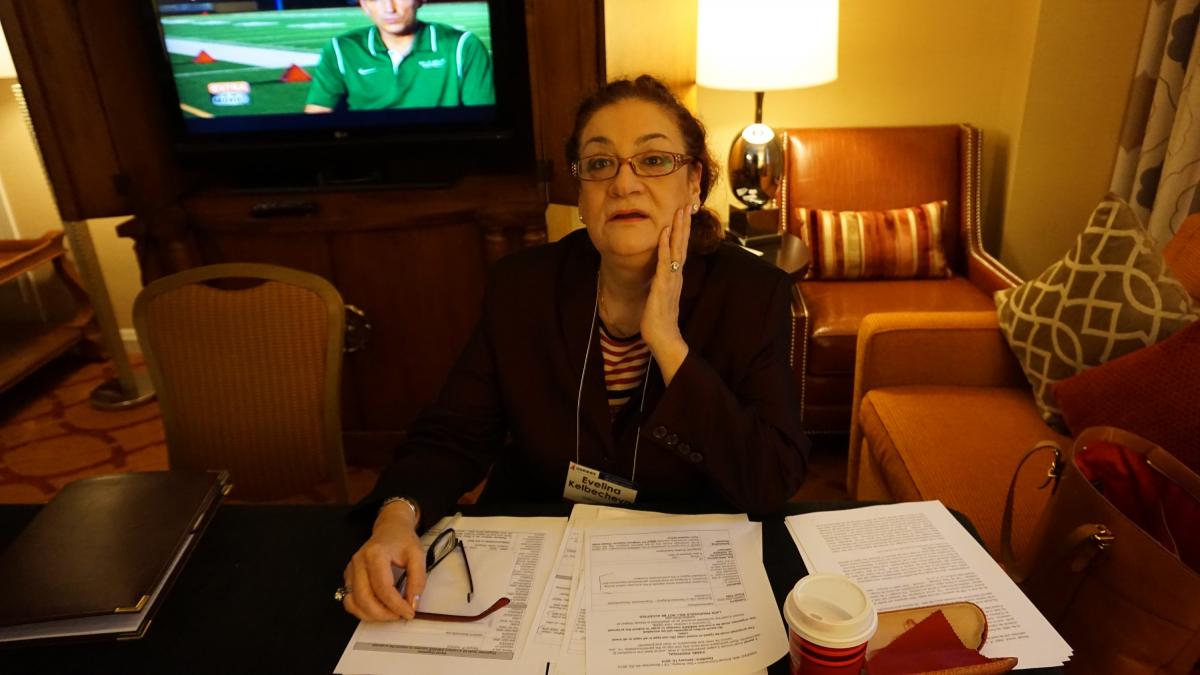
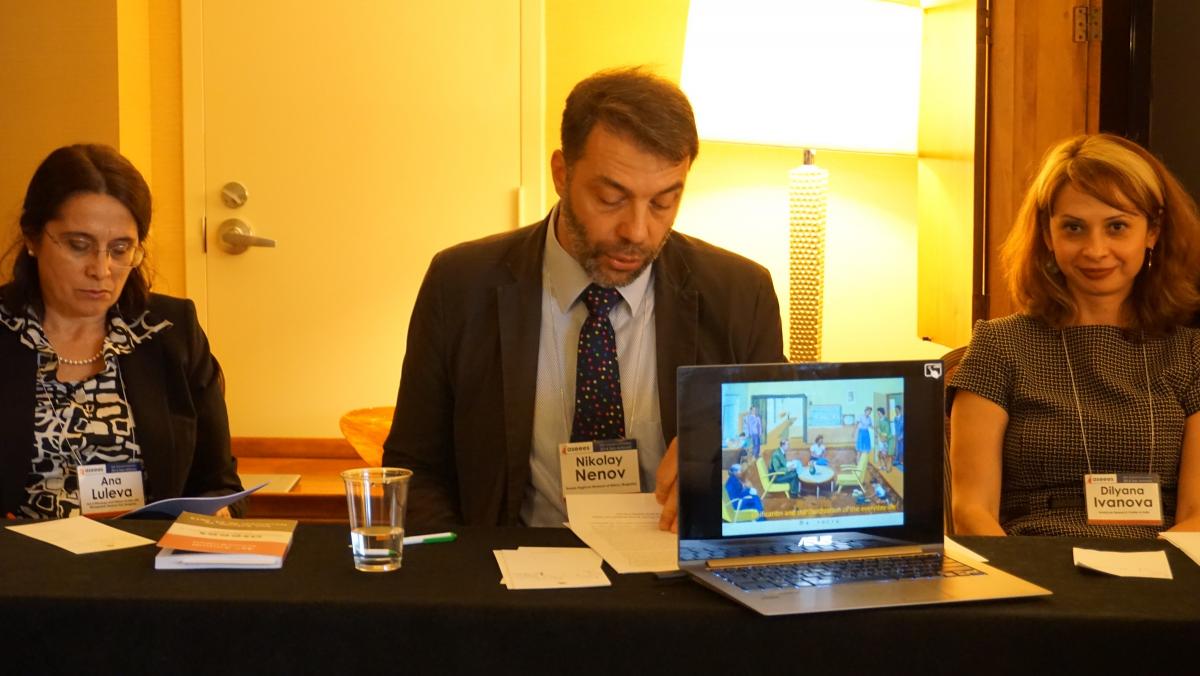 During the ASEEES convention, the American Research Center in Sofia (ARCS) organized and funded the session “Everyday Life in Socialist Bulgaria – Experienced, Remembered, Contested,” which focused on everyday life and history during Communism in Bulgaria as biographical and generational knowledge and disputed heritage in the post-socialist transition. The panel was chaired by Dr. Evelina Kelbetcheva, a History Professor at the American University in Bulgaria, and the papers were discussed by Dr. Gerald Creed, Professor and Executive Officer of the City University of New York Ph.D. Program in Anthropology.
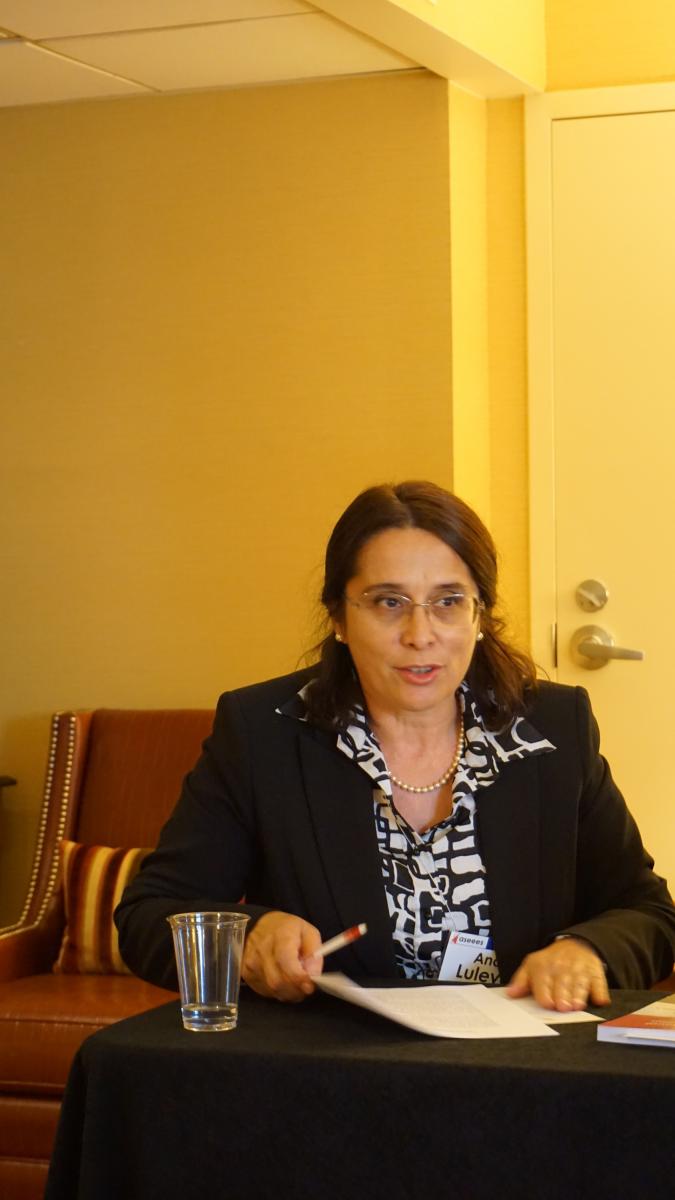 The first speaker of the panel was Assoc. Prof. Ana Luleva from the Institute of Ethnology and Folklore Studies, Bulgarian Academy of Sciences, Sofia, Bulgaria, Head of Department “Ethnology of Socialism and Post-socialism.” Dr. Luleva talked on the subject “Regimes of Trust and Distrust in Late Socialist Bulgaria,” and explored the culture of trust and distrust in Bulgarian society of that period. Based on an ethnographic research in a small town, Dr. Luleva’s paper investigated the networks of trust, informal and formal practices and strategies of everyday life in 1970’s and 1980’s and their re-evaluation in Post-socialism.
The second panelist was the Director of the Rousse Regional Museum of History in Rousse, Assoc. Prof. Dr. Nikolay Nenov. Dr. Nenov’s paper, entitled “The ‘Basement’ of Socialism,” focused on the period of cohabitation in socialist dorms (apartment blocks), during which the occupants of these apartment blocks constructed living worlds and relationships that were built upon sympathy, benefits, seniority, and background. While away from their jobs, dwellers did not maintain much contact with their relatives but rather with colleagues, thereby reasserting the values of Modernity. Dr. Nenov’s research placed special emphasis on the basement as a male space for "free time" with no restrictions or prohibitions, in which an active role played the Basement-Tavern and the Basement-Museum.
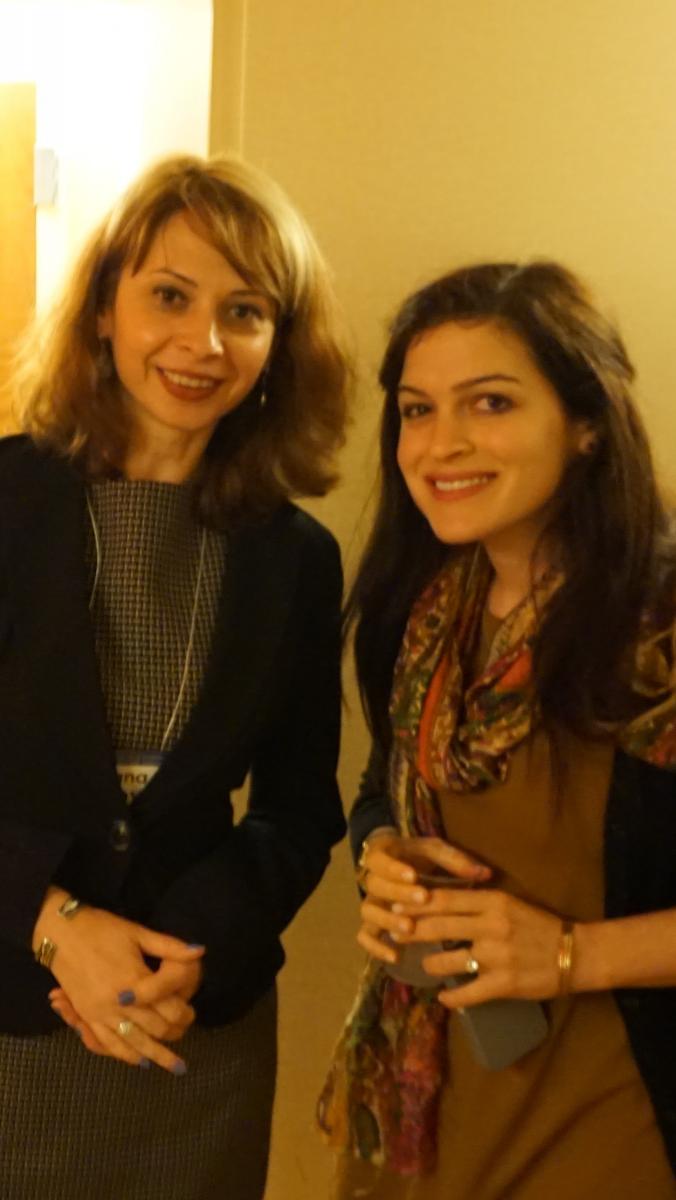 The final speaker of the panel was Dr. Dilyana Ivanova, Chief Administrator of the American Research Center in Sofia, who discussed the topic of “Everyday life during Socialism. Aspects of Communicative Memory.” Dr. Ivanova’s paper explored narratives containing memories of everyday life in Rousse during socialism, and it has created an oral history profile of the town during the same period. Dr. Ivanova discussed the most common themes in the biographical stories through which the socialist past was described, and presented examples of diverse life experiences and assessments of the past. By combining different life experiences and assessments of the past, the paper achieved a synthesis of the epoch, and it also challenged the poles of acceptance or rejection of the socialist past.
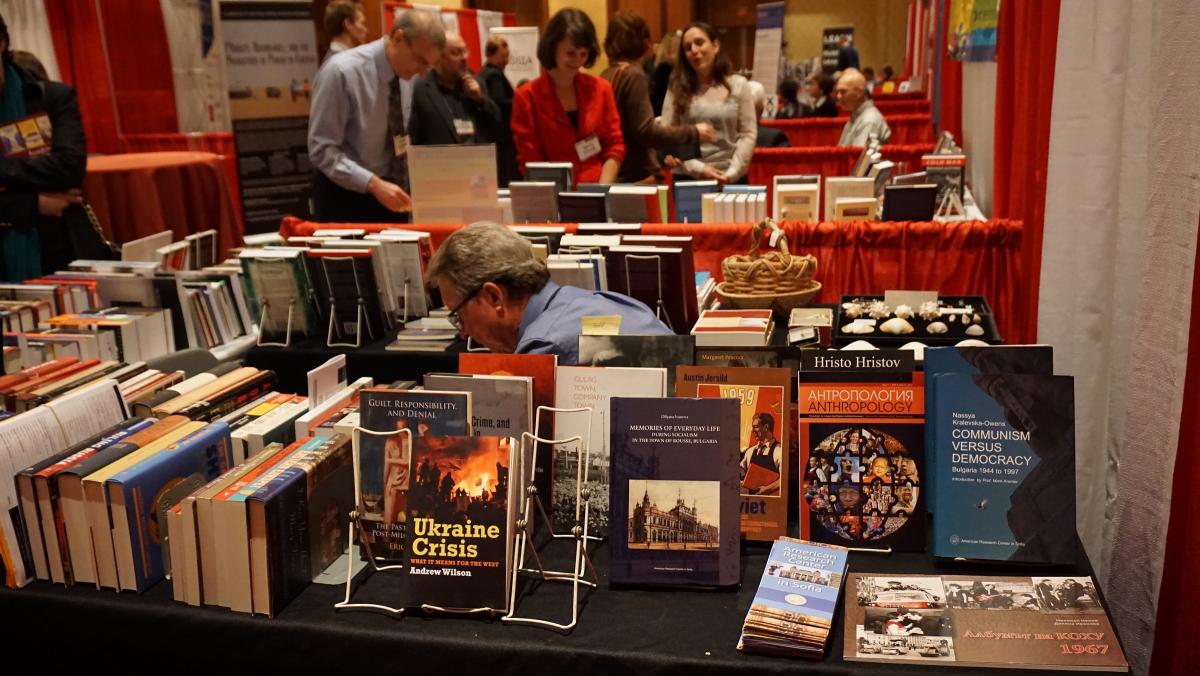
Additionally, the American Research Center in Sofia displayed its publications dedicated on the subject of Bulgaria’s recent past, among which were the first academic publication of ARCS “Communism vs. Democracy” by Nassia Kralevska Owens, the English translation of the Hristo Hristov’s investigative research on the Bulgarian Umbrella incident, “Kill the Wanderer,” and the most recent monograph on the subject, “Memories of Everyday Life during Socialism in the Town of Rousse, Bulgaria” by Dilyana Ivanova. ARCS’ books in the exhibit hall of the ASEEES center attracted high interest, and many participants at the convention requested a copy of the publications.
Finally, for a second year in a row, ARCS hosted a reception, held at a nearby venue in San Antonio, “Rita’s on the River.” More than 30 friends, alumni, fellows, and current staff members of ARCS enjoyed the reception.