
UPDATE ON NEW ARCS ARCHAEOLOGY PROJECTS
For a fourth consecutive year thanks to the generous support of America for Bulgaria Foundation, ARCS has been in a position to fund archaeology projects that have to do with museum enhancement and site preservation, as well as international scholarly collaboration for excavation in Bulgaria. Early July saw the start of five new museum projects and one for joint archaeological excavations.
The project of Regional Museum of History in Ruse, the Danube Limes in Northeastern Bulgaria, aims at implementing exhibition activities for socialization on sites of the Danube Limes, conservation of artifacts of the Antiquity necropolis of Tegra (the town of Marten, Municipality of Ruse), the implementation of an education module as part of the program for museum education, the publication of a guide, which in their entity are to contribute for the presentation of heritage as a resource for local development.
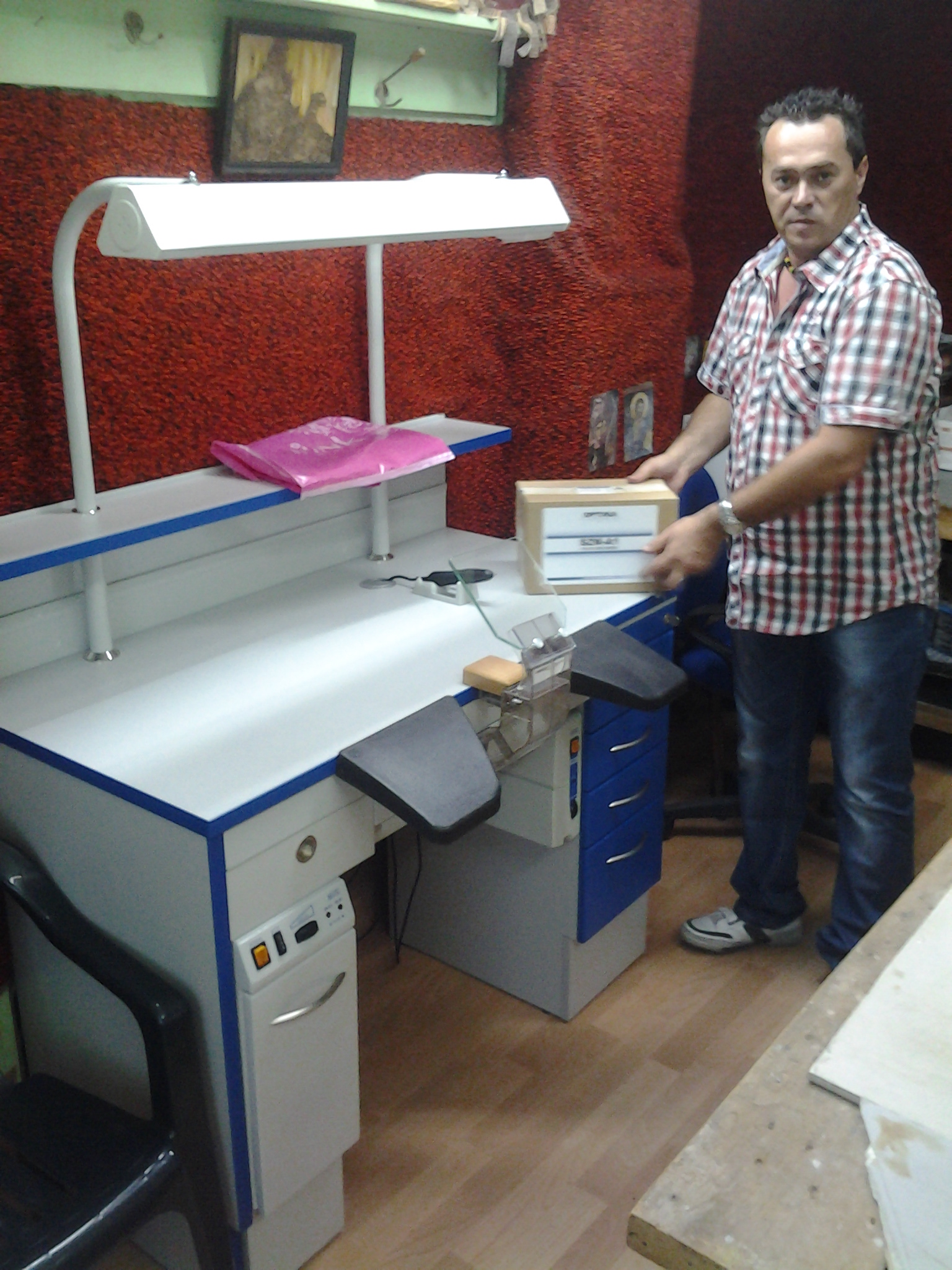
The project of Regional Museum of History in Pernik, Armament and Accoutrements from the Holdings of the Regional Historical Museum, Pernik – Preservation, Conservation, Exhibition, aims to conserve and restore metal artifacts from the Antique and Medieval departments of the museum. New additions to the museum’s conservation lab will help in the task. A permanent and a temporary (“itinerant poster”) exhibit devoted to different artifacts from Prehistory to modern times. On a monthly basis during the project, an open door hour will provide an opportunity for visitors and museum’s friends to become familiar with the work of archaeologists and conservators.
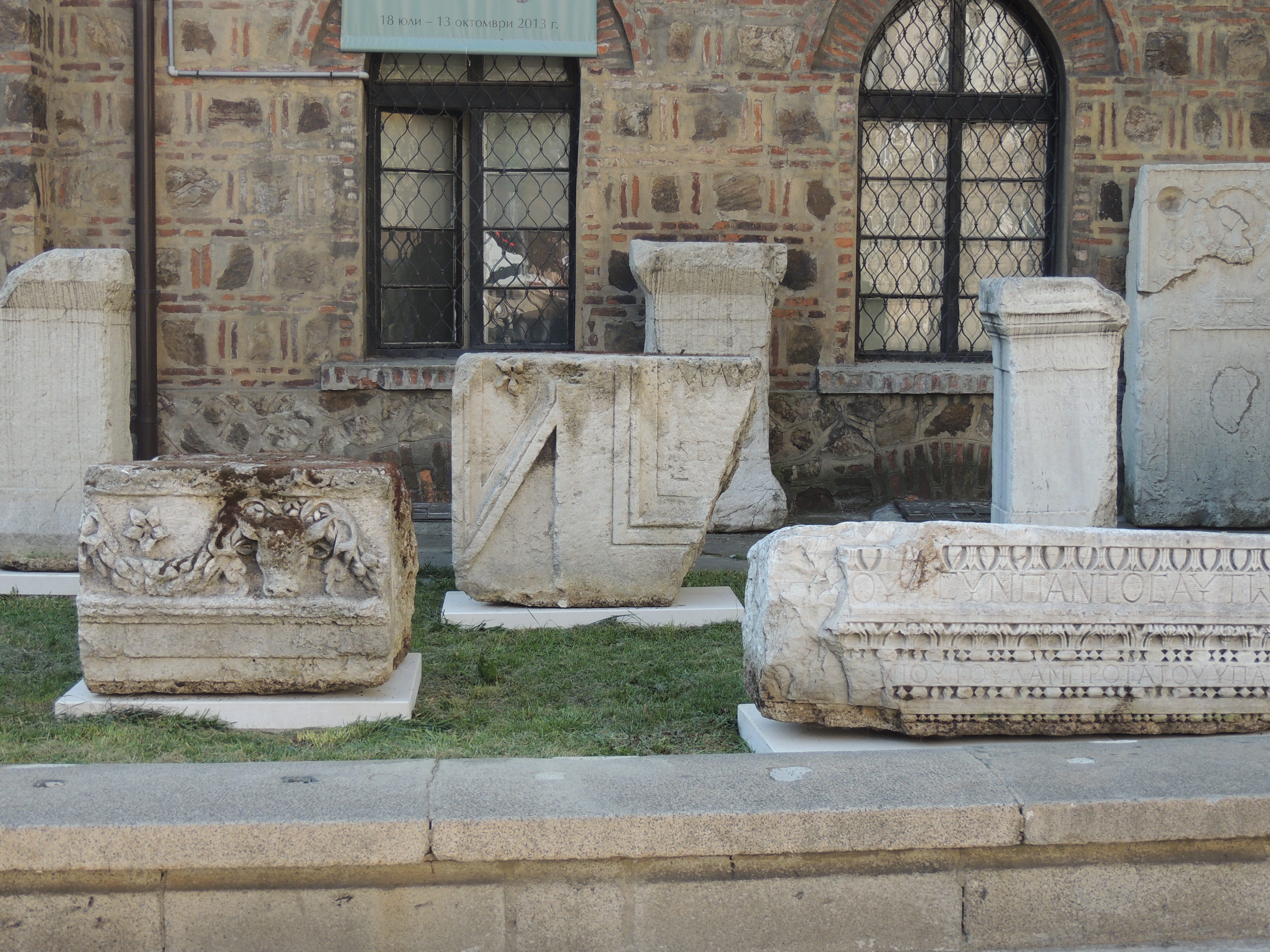
The project of National Institute of Archaeology with Museum, Conservation, Restoration and Amelioration of the Conditions of Display of Stone Monuments from the Collection of the National Archaeology Museum, concerns the conservation and display of stone artifacts situated in the open space around the main building of the museum. Among the Museum’s collection are 109 large stone artifacts – inscriptions, architectural members and statue fragments from the Roman, Medieval and Ottoman periods. These objects have not been properly maintained and no didactic information is available. One of the project’s aims is to clean and conserve these objects, to improve the manner of their display, and to install weather-proof didactic panels for visitors. The ultimate goal is to protect and enhance a small, but publically visible, part of the Museum’s holdings, viewed as an initial step in a much broader program of upgrading the National Archaeology Museum.
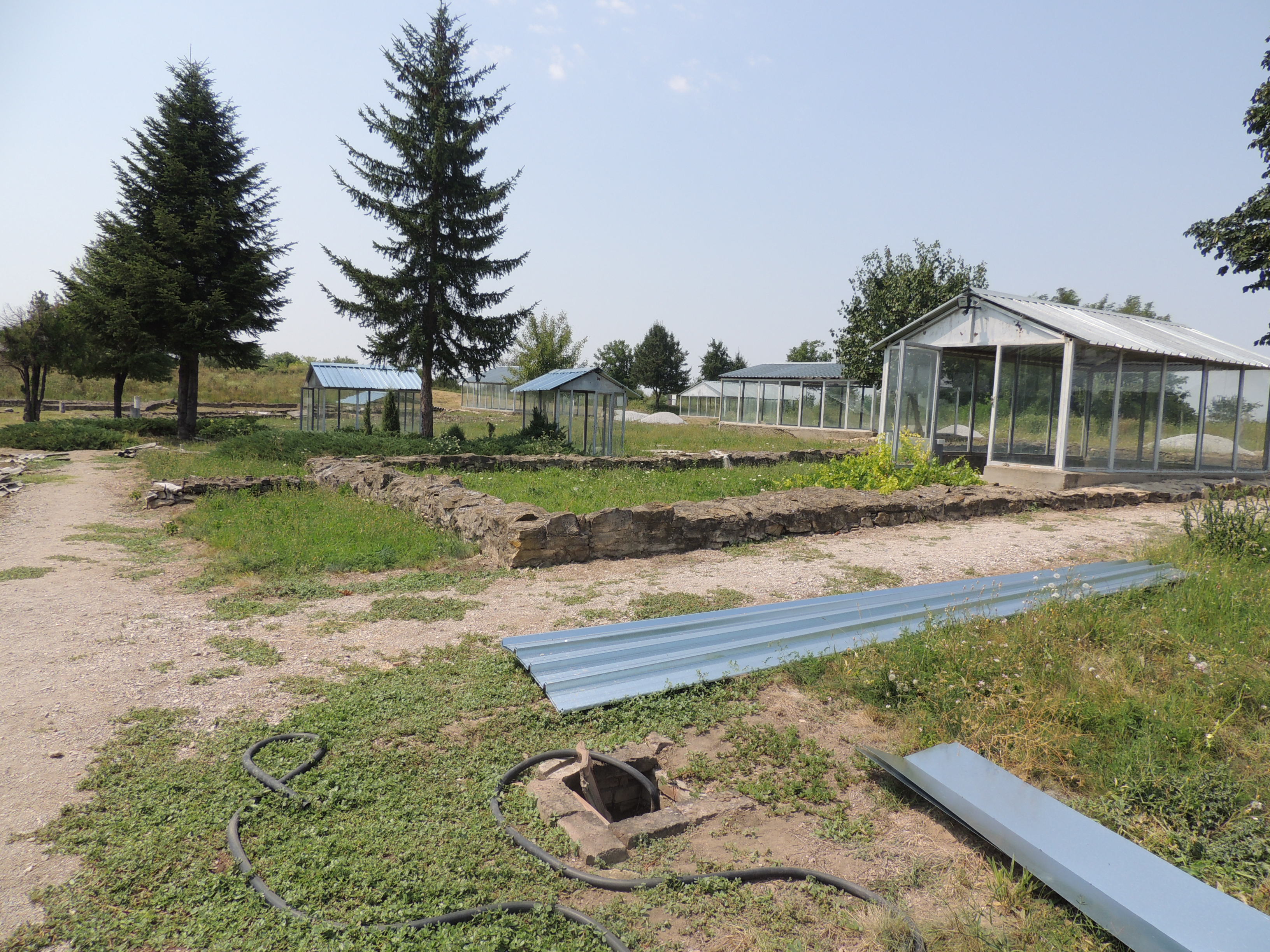
The project of the Museum of History in Pavlikeni, Preservation, Restoration and Socialization of the Ancient Ceramic Center near Pavlikeni, aims to preservethe cultural heritage in the region by implementing measures for preservation, conservation and sicialization of the Roman villa ceramic center. Specific tasks include: urgent repair, conservation and restorationof archaeological features to amplify visitors’ experience on site; modernization of the museum collection, display of artefacts, in order to include the site in tourist routes in Veliko Tarnovo region; the ultimate goal is to turn the site not only into a tourist attraction but also into an an educational and cultural center.
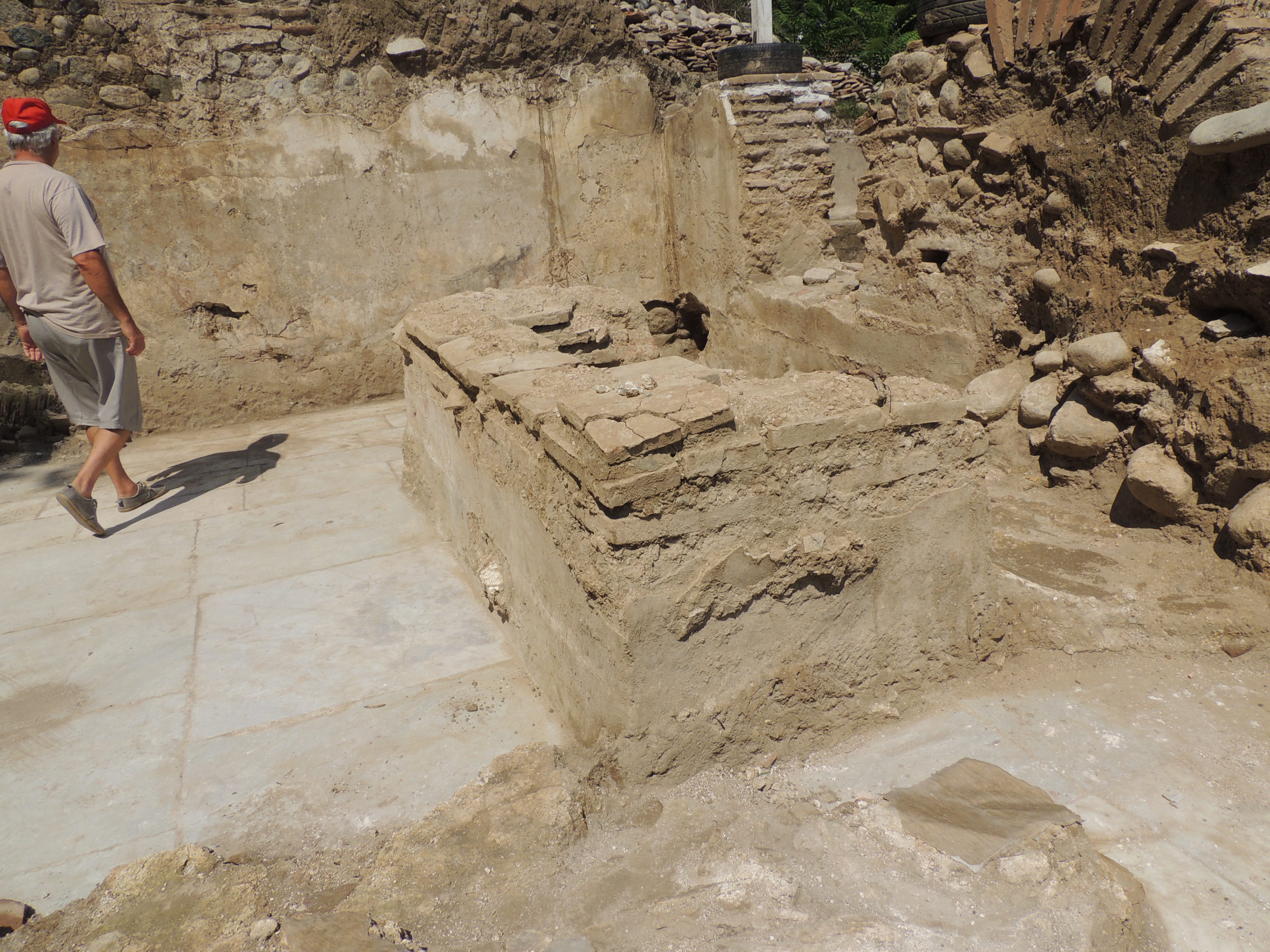
The project of the Archaeological Museum in Sandanski, Socialization of Martyrium: The Newly Revealed Part of an Episcopal Basilica, aims to preserve an important monument of early Christian architecture in Middle Struma valley. The construction of the protective cover over the Martyrium will counteract environmental factors. Restoration and conservation of wall paintings will help to sustain the magnificence and unique interior of the Martyrium. The most preserved pieces will be put on display in the museum, while others after treatment will remain in situ for visitors to see. Installation of information boards will enhance visitors’experience on site.
The project Producing and Consuming the Transition: Incorporating Animal Resources at the Turn from Bronze to Iron Age in Southwestern Bulgaria, is a collaboration between Department of Archaeology in New Bulgarian University and Department of Anthropology in Cornell University. While focusing on excavations of a well preserved Late Bronze Age site in southwest Bulgaria,the project investigates the economic and social roles of domestic and wild animals at the turn of the Late Bronze Age (LBA) to the Early Iron Age (EIA) and during the EIA at the site of Bresto in the Upper Mesta Valley. By using a combination of classical and innovative zooarchaeological techniques, the project seeks information about late 2nd millennium practices of hunting, herding, and fishing, as well as patterns of consumption and deposition of animal remains. Evidence is sought for an expanded role of animals in prehistoric societies, as providers of primary or secondary products, as forms of wealth, or as symbolic resources. A detailed zooarchaeological study of data collected as part of an on-going question-oriented and well-documented excavation, combined with contextual information from other sources (archaeobotanics, pottery, architecture and small finds), will shed light on the nature of human-animal relationships that lie at the heart of important social and economic issues.